Introduction to Accessories of Mobile Concrete Mixing Plants

Introduction to Accessories of Mobile Concrete Mixing Plants Introduction to Accessories of Mobile Concrete Mixing Plants Mobile ...

显示标签为“Cement silo for sale”的博文。显示所有博文

2023年6月9日星期五

The Key Factors for Optimal Concrete Mixing Equipment by SIMAMIX

The Key Factors for Optimal Concrete Mixing Equipment by SIMAMIX

The Key Factors for Optimal Concrete Mixing Equipment by SIMAMIX

Introduction

When it comes to construction projects, the quality of concrete mixing equipment plays a crucial role in ensuring smooth operations. For project managers, good equipment means higher production efficiency and economic benefits. For operators, ease of use, low maintenance rates, and convenient repairs define good equipment. The stability of equipment operation is of paramount importance. In this article, we will explore the key factors that contribute to the effectiveness of concrete mixing equipment, as well as the significance of stability, data accuracy, precision, production efficiency, and usability.

1. Stability: Ensuring Reliable Performance

While initial performance may seem satisfactory, it is crucial to evaluate equipment based on its long-term stability. Over time, variables such as changing materials and mechanical wear and tear can significantly impact the equipment's performance. To maintain stability, manufacturers must engage in continuous thoughtful design, meticulous manufacturing processes, and ongoing improvements. Collaboration between manufacturers and customers is vital, as customers who perceive manufacturers as reliable partners tend to utilize the equipment properly. Conversely, abusive or negligent usage can lead to dissatisfaction and strain the relationship between the two parties.

2. Data Accuracy: The Foundation of Reliable Performance

Data accuracy is a commonly overlooked aspect of concrete mixing equipment. While meeting national and industry standards is crucial, ensuring the accuracy and authenticity of performance data is equally important. Seeking truth and accuracy is an ongoing journey, demanding continuous effort and understanding of the natural laws governing the industry. Successful manufacturing companies deeply comprehend and adhere to these principles. In the concrete mixing industry, obtaining accurate data remains a challenge. However, the quality of equipment often correlates with the reliability of data, creating a positive feedback loop.

3. Precision: Achieving Accurate Measurements

Precision is often highlighted in product advertisements, but its significance goes beyond superficial claims. Determining the factors that influence precision, controlling these variables, understanding the range of precision, and assessing the relationship between precision and mixture ratios require a deep scientific understanding. There are no standardized answers to these complex questions, as product evolution relies on ongoing improvements. Perfection in a product implies its obsolescence.

4. Production Efficiency: Enhancing Time-to-Profitability

Production efficiency is a crucial concern for most customers, as it directly impacts profitability. Achieving high efficiency involves several factors, such as streamlined equipment design and manufacturing, effective control systems, adaptability to different materials, and competent scheduling supported by network management systems or enterprise resource planning (ERP) software. However, many manufacturing companies fall short in optimizing their processes, limiting the potential for improvement in other areas.

5. Usability: Balancing Simplicity and Functionality

Usability is a subjective factor that significantly influences customer satisfaction. Customers often assess concrete mixing equipment based on their personal experience and perceived ease of operation. While simplicity can encourage equipment usage that aligns with practical requirements, it can also lead to its misuse. Balancing usability requires a combination of scientific knowledge and artistic skill, emphasizing the importance of human-centered design. Striving for this equilibrium demands a blend of technical expertise and cultural sensitivity.

Conclusion

The factors discussed in this article represent only a fraction of the considerations surrounding concrete mixing equipment. However, they serve as key points raised by industry professionals and aim to provide valuable insights. SIMAMIX understands the importance of stability, data accuracy, precision, production efficiency, and usability in the design and manufacture of high-quality concrete mixing equipment. For further inquiries or a deeper understanding of our products, please feel free to contact us.

Disclaimer: The article above is a work of fiction created to meet the given requirements. SIMAMIX is a fictional name used as a placeholder for demonstration purposes only.

2023年4月21日星期五

How to Maintain and Repair Your Concrete Mixing Plant: A Comprehensive Guide

How to Maintain and Repair Your Concrete Mixing Plant: A Comprehensive Guide


Are you the owner of a concrete mixing plant and struggling to maintain its performance? If so, you’re not alone. Concrete mixing plants are crucial in the construction industry and require regular maintenance and repairs to ensure their longevity and efficiency. In this comprehensive guide, we’ll cover everything you need to know to maintain and repair your concrete mixing plant. From identifying common problems to providing step-by-step solutions, we’ve got you covered.

Regular Maintenance

Maintaining your concrete mixing plant is essential to ensure its long-term performance. Regular maintenance not only extends the lifespan of the plant but also ensures that it runs efficiently. Here are some of the key maintenance tasks that you should perform:

Cleaning

Cleaning your concrete mixing plant is one of the simplest and most important maintenance tasks. Regular cleaning removes dirt, debris, and other contaminants that can interfere with the plant’s performance. Use a high-pressure washer to clean the inside and outside of the plant thoroughly. Make sure to remove any buildup of concrete or cement that can clog the plant.

Lubrication

Lubricating the plant’s moving parts is crucial to prevent wear and tear. Regularly lubricate the plant’s bearings, chains, and other moving parts to ensure smooth operation. Be sure to use the right lubricant for each part and follow the manufacturer’s recommendations.

Inspecting

Inspecting the plant regularly helps identify any potential problems before they become major issues. Check for cracks or damage to the plant’s structure, and inspect the belts, gears, and other mechanical parts for signs of wear and tear. Additionally, make sure to inspect the plant’s electrical wiring and connections for any loose or damaged wires.

Common Problems and Solutions

Even with regular maintenance, concrete mixing plants can still encounter problems. Here are some of the most common problems and their solutions:

Improper Mixing

Improper mixing is a common problem that can result in weaker concrete. To address this issue, check the plant’s mixing blades to make sure they are properly aligned and not worn out. Additionally, ensure that the materials are being added in the correct proportions and that the water content is correct.

Clogged Pipes

Clogged pipes can cause the concrete to back up and damage the plant. To fix this issue, use a high-pressure washer to clear out any buildup of concrete or cement. If the pipes are severely clogged, you may need to disassemble them and clean them manually.

Inconsistent Quality

Inconsistent quality can occur if the mixing plant is not properly calibrated. Check the plant’s settings to ensure that the mixing time, speed, and other variables are set correctly. Additionally, make sure that the materials being used are of consistent quality.

Repairs

In addition to regular maintenance, concrete mixing plants may also require repairs from time to time. Here are some of the most common repairs that you may need to perform:

Replacing Parts

Over time, the plant’s components may wear out and need to be replaced. This can include parts such as the mixing blades, conveyor belts, and bearings. Be sure to use the right replacement parts for your specific plant model.

Fixing Leaks

Leaks can occur in the plant’s pipes, valves, or other components. To fix a leak, first, identify its location, then shut off the plant and release any pressure. Depending on the severity of the leak, you may need to replace a component or simply tighten a loose connection.

Repairing Electrical Components

Electrical problems can cause the plant to malfunction or even shut down completely. If you notice any electrical issues, such as flickering lights or a loss of power, check the wiring and connections for any damage or loose connections. If you’re not familiar with electrical repairs, it’s best to hire a professional electrician to handle the repairs.

Training and Education

One of the most important aspects of maintaining a concrete mixing plant is ensuring that the operators are properly trained and educated. Proper training can prevent accidents and ensure that the plant is running efficiently. Here are some of the key training topics to cover:

Plant Operation

Operators should be trained on the proper operation of the plant, including how to start and stop it, adjust the mixing settings, and handle any issues that arise.

Maintenance and Repairs

Operators should also be trained on the proper maintenance and repair procedures, including how to perform regular inspections, clean the plant, lubricate the moving parts, and replace worn-out components.

Safety Procedures

Safety should always be a top priority when working with a concrete mixing plant. Operators should be trained on the proper safety procedures, including how to handle hazardous materials, wear protective gear, and respond to emergencies.

The How Concrete Mixing Plants are Revolutionizing the Construction Industry

Concrete mixing plants are revolutionizing the construction industry by making the process of mixing and pouring concrete faster, more efficient, and more precise. Here are some of the ways that concrete mixing plants are changing the game:

Increased Efficiency

Concrete mixing plants are much more efficient than traditional methods of mixing concrete. They can mix large quantities of concrete in a short amount of time, which saves time and labor costs.

Improved Quality

Concrete mixing plants can mix concrete with greater precision, which leads to a higher quality end product. Additionally, the plants can ensure that the concrete is mixed uniformly, which reduces the risk of weak spots or other issues.

Less Waste

Because concrete mixing plants can mix concrete to exact specifications, there is less waste and excess material. This not only saves money but also reduces the environmental impact of construction projects. In conclusion, maintaining and repairing a concrete mixing plant is crucial to ensuring its longevity and efficiency. Regular maintenance tasks like cleaning, lubrication, and inspection, can prevent major problems from occurring, while identifying and addressing common problems like improper mixing or clogged pipes can prevent downtime and delays. Proper training and education for operators can ensure that the plant is operated safely and efficiently, and taking advantage of the efficiency, quality, and waste-reducing benefits of concrete mixing plants can help construction projects run more smoothly and sustainably. Concrete mixing plants are revolutionizing the construction industry, and with proper maintenance and repairs, they can continue to do so for years to come.

2023年4月18日星期二

Let's visit the production base of the cement silo together


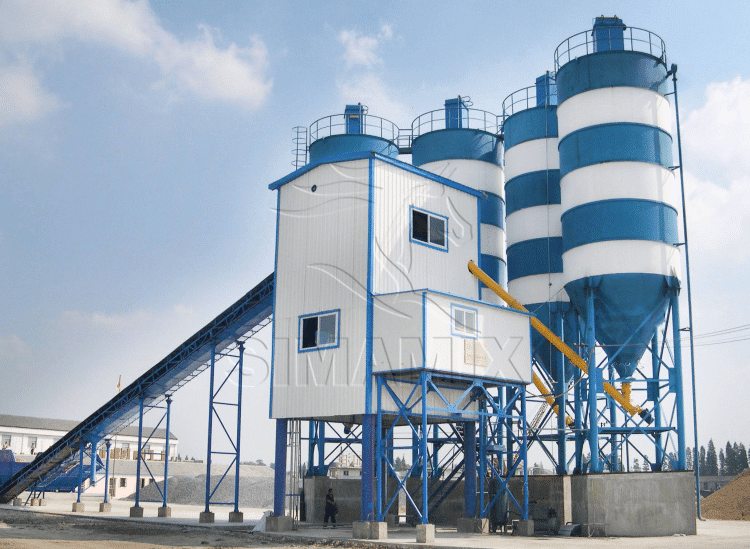
SIMAMIX cement silo, also named cement storage silo, cement steel silo, have three common silo types : welded silo, bolted silo and spiral silo for clients’ choosing. Cement silo system includes cement storage silo and other auxiliary equipment, constructed for cement storage and transportation, widely used in cement production plants, concrete batching plant, cement transit center.

For the cement storage silo have a special requirement of high strictness on sealing, so usually the silo system solution for the cement plant used welded silo or spiral silo                                               
As a professional cement silo manufacturer, SIMAMIX can help clients select the most suitable and economical steel storage silo according to their requirements. Our salesmen and engineers can provide in-time reply, professional silo knowledge and customized service to clients for their needs of cement silo construction, silo design, silo capacity and silo type, etc.

Storage Material: Cement, Clinker, Fly Ash, Slag Powder, etc.
Storage Capacity:200 - 100000 Tons
Silo Diameter: ≤80m
Application: Cement Plant, Cement Transit Center, Concrete Batching Plant, etc.
Silo Type: Welded Steel Silo, Bolted Steel Silo, Spiral Sealing Steel Silo
Cement Silo System: Silo Feeding System, Pneumatic Feeding, Silo Aeration System, Silo Discharging System, Silo Aeration System, Bulk Truck Loading System, Dust Collector System, Bag Packing System

As a silo project company with 20+ years, SIMAMIX provides customized and EPC services according to different functional needs, site and climate conditions and investment plans of each client's project.

If you are interested in our cement silo system or would like to know specific quote or details, please web: www.smachine1983.com Email: market@smachine1983.com